
When searching for a chimney sweep Burnsville homeowners can rely on, the stakes are higher than most people realize. A dirty or damaged chimney is one of the leading causes of residential fires in the United States. In fact, the U.S. Fire Administration reports that heating fires account for roughly 17% of all residential building fires annually.
Burnsville winters are long and demanding. Most homes run their fireplaces or heating appliances for five or more months each year. That heavy use builds up creosote — a sticky, flammable byproduct of burning wood that requires professional removal.
Protecting your home starts at the top. However, many Burnsville homeowners skip annual chimney maintenance until a visible problem forces their hand. This guide explains exactly what professional chimney service involves, why it matters, and how to choose the right provider for your home.
Why Chimney Safety Matters in Burnsville
Burnsville sits in Dakota County, where freeze-thaw cycles are relentless. Water enters tiny cracks in mortar and masonry, then freezes, expands, and widens those cracks season after season. As a result, chimneys here face faster structural wear than in milder climates across the country.
Creosote buildup is a serious concern for any wood-burning system. Here is what each stage means for your home:
- Stage 1 creosote is dusty and relatively easy to brush away during routine cleaning.
- Stage 2 creosote is flaky and harder to remove, often requiring specialized tools.
- Stage 3 creosote is tar-like and extremely difficult — and dangerous — to clean without professional equipment.
The Chimney Safety Institute of America (CSIA) recommends annual inspections for all wood-burning fireplaces. Moreover, Minnesota’s Department of Labor and Industry requires that certain chimney work meet state building codes — another strong reason to hire a qualified professional rather than attempt repairs yourself.
Skipping annual chimney maintenance can lead to serious consequences. Specifically, the risks include chimney fires that spread to the roof, carbon monoxide leaking silently into living spaces, and costly structural repairs that early detection could have prevented. For a full look at our chimney cleaning process or to learn more about us, explore the links throughout this guide.
What Your Chimney Sweep Burnsville Visit Includes
A thorough chimney sweep Burnsville visit covers much more than a quick brush-down. In fact, a full-service appointment typically combines cleaning, safety inspection, and a written report — all in one visit. In our experience, homeowners are often surprised by how much a professional finds that a DIY brush misses entirely.
The Core Cleaning Process
First, a certified sweep removes creosote buildup from the flue lining using professional-grade rotary brushes and vacuums. Creosote is the leading cause of chimney fires in the U.S., according to the Chimney Safety Institute of America. Even moderate fireplace use over a single Minnesota winter can produce significant buildup that brushes alone cannot fully clear.
A standard cleaning includes:
- Flue brushing from top to bottom using the correct brush size for your liner
- Firebox vacuuming to remove ash, debris, and loose soot
- Smoke chamber sweeping to clear hardened deposits above the damper
- Damper inspection to confirm proper operation and seal
Safety Inspection and Written Report
After cleaning, the technician performs a thorough visual inspection of the entire chimney system. However, many companies also offer a Level II camera inspection for a deeper look inside the flue that the naked eye simply cannot provide. Key inspection points include the flue liner, crown and cap integrity, mortar joint wear, flashing seal, and firebox surfaces.
Because Minnesota winters are harsh, these components take extra stress each season. Catching small issues early prevents far more costly chimney repair work later. Finally, a reputable technician provides a written report documenting any damage found — for example, a cracked liner might require liner replacement before the next heating season begins.
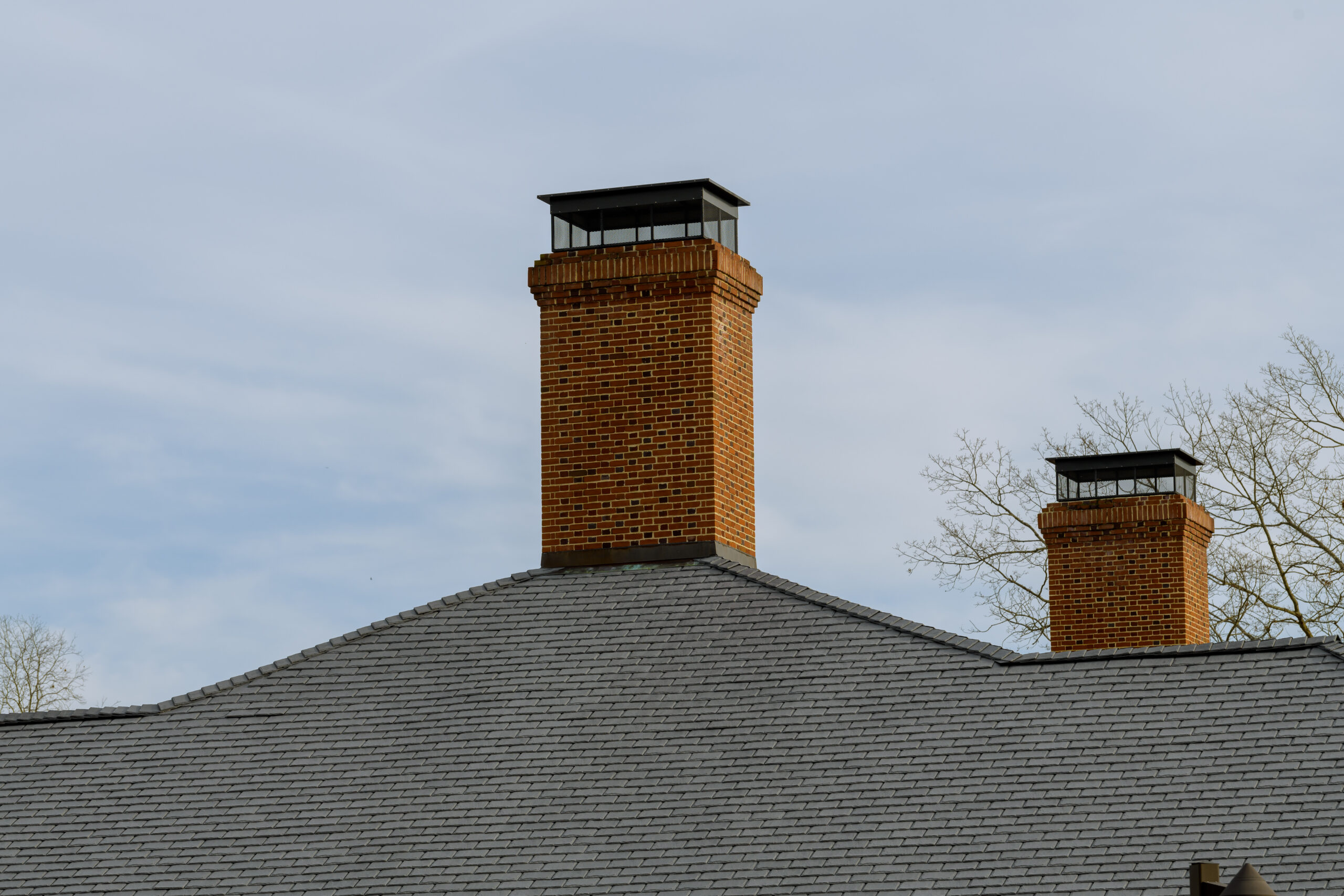
Chimney Repair and Inspection Services in Burnsville
Regular inspections catch small problems before they become costly disasters. The National Fire Protection Association recommends annual chimney inspections for all wood-burning and gas fireplaces. Skipping this step puts your home and family at real risk, particularly in a climate as demanding as Burnsville’s.
What Inspectors Look For
A professional inspection covers far more than a quick visual check. Technicians examine every layer of your chimney system, from the firebox floor to the cap at the very top. Common inspection findings in Burnsville homes include:
- Cracked or spalling bricks caused by Minnesota’s freeze-thaw cycles
- Damaged mortar joints that allow moisture to seep inside the structure
- Deteriorated flue liners that can expose framing to dangerous heat and gases
- Faulty flashing where the chimney meets the roofline
- Missing or broken chimney caps that let rain, debris, and animals enter
Repair Services That Protect Your Investment
Once an inspection identifies damage, prompt repairs prevent the problem from spreading. For example, a small mortar crack left untreated through a Burnsville winter can widen significantly by spring thaw. Common repair services include:
- Tuckpointing to restore deteriorated mortar joints and seal the masonry
- Crown repair and rebuild for cracked or crumbling concrete crowns
- Flashing repair to stop water intrusion at the roofline
- Liner replacement for compromised clay or metal flue liners
- Chimney rebuild for severely damaged masonry structures
Inspection Levels Explained
| Inspection Level | When It’s Used | What It Covers |
|---|---|---|
| Level 1 | Annual routine visit | Visual check of accessible areas |
| Level 2 | Home sale, change in use, weather event | Camera inspection of flue interior |
| Level 3 | Hidden or suspected structural damage | Partial disassembly to access damage |
Most Burnsville homeowners need a Level 1 or Level 2 inspection annually. Your technician will recommend the right level based on your chimney’s condition and history. Learn more about available chimney repair options to understand what your home may need.
Professional vs. DIY Chimney Cleaning: Honest Comparison
Many homeowners wonder if they can skip professional help and clean their chimney themselves. However, the gap between DIY results and a certified sweep is wider than most people expect — and the consequences of getting it wrong are serious.
What DIY Can and Cannot Do
First, let’s be fair. A homeowner with the right brush kit can remove some loose soot from a fireplace opening. For example, light surface cleaning after occasional use is manageable without professional tools. However, DIY has real and important limits:
- No camera inspection — you cannot see cracks, gaps, or liner damage from below
- No creosote level assessment — Stage 2 or Stage 3 creosote requires chemical treatment, not just brushing
- No structural evaluation — spalling brick, failing crowns, and flashing issues go undetected
- No safety documentation — insurance claims after a chimney fire may be complicated without documented professional service records
In fact, the Chimney Safety Institute of America recommends annual inspections by a certified technician — not annual DIY cleanings. Also, a missed crack in a flue liner can allow carbon monoxide to seep into living spaces — a silent, serious hazard with no visible warning signs.
Professional vs. DIY: Side-by-Side Comparison
| Task | DIY | Professional |
|---|---|---|
| Light ash removal from firebox | ✅ Manageable | Optional |
| Annual cleaning & inspection | ❌ Insufficient | ✅ Recommended |
| Creosote removal (Stage 2-3) | ❌ Not possible | ✅ Required |
| Liner or masonry damage assessment | ❌ Not possible | ✅ Required |
| Written safety report | ❌ Not available | ✅ Provided |
For full details on what professional chimney cleaning covers, visit our chimney cleaning page. If you suspect structural damage, our chimney repair team can assess and fix the problem safely.

Frequently Asked Questions
Conclusion & Local Service Areas Near Burnsville
Keeping your chimney clean and safe is not a task to delay. Professional chimney service protects your home, improves indoor air quality, and helps your fireplace run efficiently for years to come. Furthermore, staying ahead of maintenance prevents the kind of structural damage that turns a routine cleaning into a major repair project.
Every heating season adds creosote, debris, and wear to your chimney system. The National Fire Protection Association recommends annual chimney inspections for all wood-burning systems. Skipping a season raises your risk of chimney fires and carbon monoxide exposure — two hazards that are entirely preventable with routine professional care.
Key takeaways from this guide:
- Annual sweeping and inspection is the safest and most cost-effective approach
- Professional tools remove creosote that DIY brushes simply cannot reach
- Early repairs prevent costly structural damage later in the season
- Certified technicians spot hidden cracks and liner damage before they worsen
Serving Burnsville and the Surrounding South Metro
Our team at AM Services covers a wide area across the Twin Cities south metro and beyond. For example, we regularly serve homeowners in Eagan, Lakeville, Apple Valley, Prior Lake, Shakopee, and Eden Prairie. In addition, we serve communities to the north and east, including Roseville, Woodbury, and White Bear Lake.
We also provide dryer vent cleaning and air duct cleaning throughout the metro area. Therefore, homeowners can schedule multiple services in a single visit for added convenience.
Ready to Schedule Your Chimney Service?
Don’t wait for a problem to appear. First, check our chimney cleaning page for a full list of services. Then, contact us to book your appointment quickly and easily.
AM Services Minneapolis, MN 📞 (612) 430-8097
About This Guide
This guide was researched and drafted with AI assistance, then reviewed for accuracy by the AM Services team. Information reflects local conditions in Burnsville, MN. Last updated July 2026. For questions specific to your situation, contact us directly.
