
A chimney inspection Minnetonka homeowners schedule each year can be the difference between a safe, warm home and a dangerous fire hazard. Minnesota winters are long and demanding — your fireplace works hard for months at a time. However, a chimney that looks fine from the outside can hide serious problems inside.
Minnetonka’s freeze-thaw cycles put unique stress on masonry structures. Specifically, water seeps into small cracks, freezes, and expands — causing damage that compounds every season. Furthermore, long heating seasons mean creosote builds up faster here than in milder climates.
This guide walks you through everything you need to know about chimney safety in Minnetonka — what inspectors check, warning signs to watch for, and how inspections differ from chimney cleaning.
Why Chimney Inspection Minnetonka Matters for Home Safety
In our experience, a chimney inspection in Minnetonka is one of the simplest ways to protect your family and home. However, many people skip this step — and the risks are real.
According to the U.S. Fire Administration, heating equipment is a leading cause of home fires in the United States. In fact, the Chimney Safety Institute of America reports that dirty or damaged chimneys cause thousands of house fires annually. Most of these fires are entirely preventable.
The Hidden Dangers Inside Your Chimney
Your chimney works hard every winter. Minnetonka’s cold climate means fireplaces and heating systems run for months at a time. As a result, problems build up fast.
Here are the most serious hazards a neglected chimney can develop:
- Creosote buildup — a flammable byproduct of burning wood that coats the flue
- Cracked flue liners — allow heat and sparks to reach combustible materials
- Carbon monoxide leaks — an odorless, colorless gas that can be deadly
- Blockages — from bird nests, debris, or collapsed masonry
- Damaged mortar joints — weaken the chimney’s structure over time
Why Minnetonka Homes Face Unique Risks
Minnetonka’s freeze-thaw cycles are tough on masonry. Water seeps into small cracks, freezes, and expands — causing serious structural damage over time. Similarly, heavy snowfall adds weight and moisture stress to chimney crowns and caps. Because of this, annual inspections matter even more here than in milder climates.
A professional inspection catches small problems before they become expensive repairs. For example, a cracked liner caught early may only need a liner replacement — far less involved than a full chimney rebuild. First, protect your home. Then, enjoy your fireplace with confidence all season long.
What a Professional Chimney Inspection in Minnetonka Covers
A thorough safety evaluation goes far beyond a quick glance up the flue. Certified inspectors follow standards set by the National Fire Protection Association (NFPA 211), which defines three inspection levels based on your chimney’s condition and history.
The Three Levels of Chimney Inspection
Understanding each level helps you know what to expect:
- Level 1 — A visual check of accessible areas. Inspectors look at the firebox, damper, and exterior masonry. This is standard for chimneys with no recent changes.
- Level 2 — A more detailed review, including video scanning of the flue interior. Required after home sales, weather events, or chimney fires.
- Level 3 — The most thorough option. Involves removing components to access hidden damage. Reserved for serious structural concerns.
| Inspection Level | What’s Checked | When It’s Needed |
|---|---|---|
| Level 1 | Accessible areas — firebox, damper, exterior | Annual maintenance, no recent changes |
| Level 2 | Full flue video scan, interior components | After home sale, storm, or chimney fire |
| Level 3 | Hidden areas, structural components removed | Serious damage or suspected hazards |
Key Areas Inspectors Examine
A qualified technician will assess multiple components during every visit. Specifically, they check:
- Flue liner — Cracks or gaps let carbon monoxide enter your home
- Firebox and smoke chamber — Buildup and damage reduce draft efficiency; see our smoke chamber repair page for more
- Crown and cap — These block water, pests, and debris
- Flashing — Faulty seals around the roofline cause costly water damage
- Masonry and mortar joints — Freeze-thaw cycles in Minnesota winters accelerate deterioration
The flue liner is your chimney’s most critical safety feature. In fact, the Chimney Safety Institute of America reports that a damaged liner is a leading cause of house fires. However, many homeowners don’t realize liner damage is invisible without a camera inspection. For homes with older or deteriorating liners, a liner replacement may be necessary to restore safe operation.
Finally, a written inspection report documents every finding — giving you a clear action plan and protecting your home’s value.
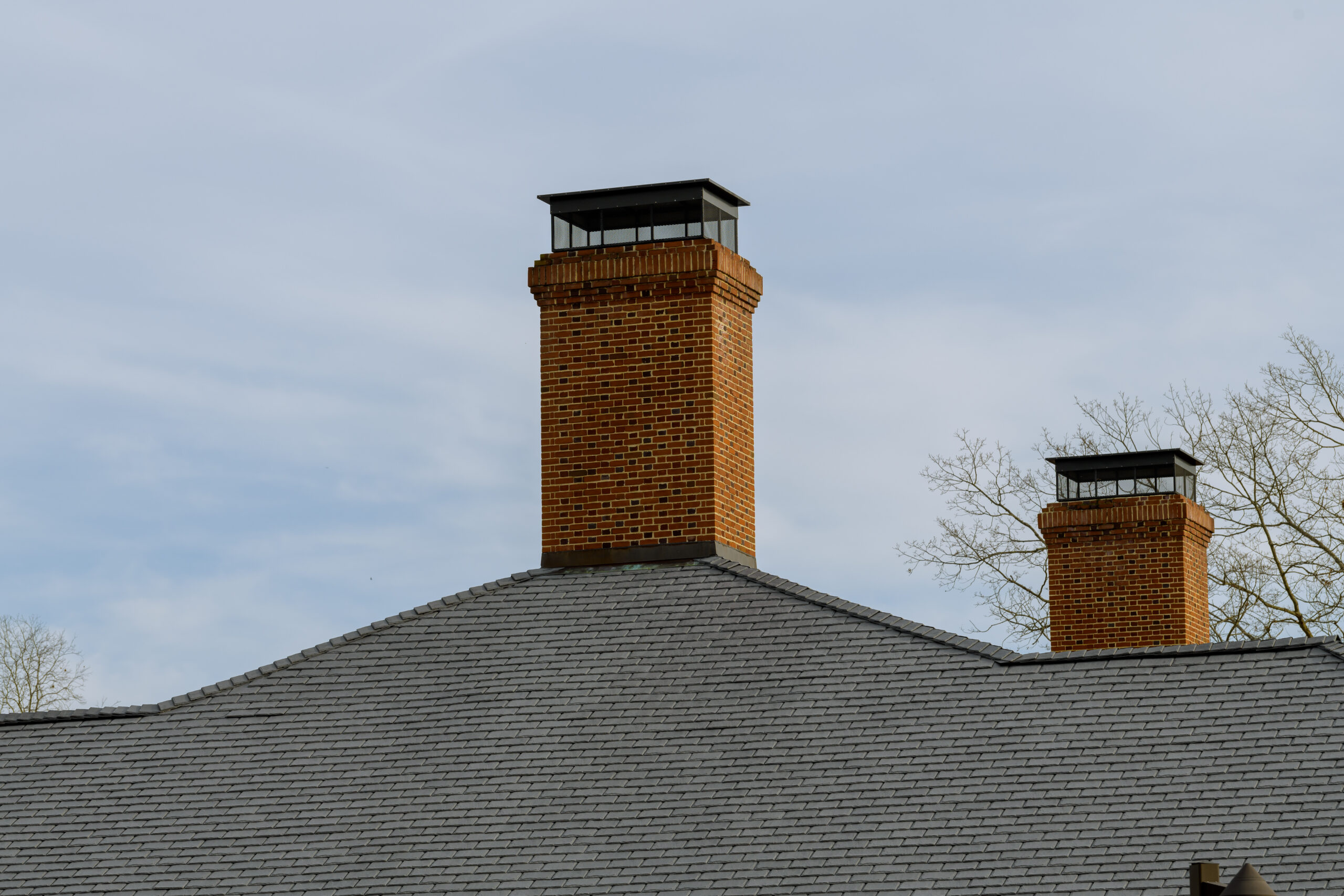
Signs Your Minnetonka Chimney Needs an Inspection Now
Knowing the warning signs helps you act before small problems become major repairs. Some red flags are obvious. Others are easy to miss until serious damage sets in.
You Notice Smoke or Odors Inside
First, pay attention to how your fireplace smells and performs. A strong smoky or musty odor — especially in summer — often signals a blockage or moisture problem inside the flue. Also, if smoke backs up into your living room instead of drafting upward, that’s a clear sign something is wrong.
- Persistent smoky smell even when the fireplace isn’t in use
- White staining (efflorescence) on the exterior brick
- Dark streaks or soot around the firebox opening
Visible Damage to Brick or Mortar
However, you don’t always need to look inside to spot trouble. Walk around your home and examine the chimney exterior. Cracked, crumbling, or missing mortar joints are a serious concern — water can enter through small cracks and cause major structural damage over a single Minnesota freeze-thaw cycle.
Our tuckpointing and chimney repair pages explain how these issues are addressed before they escalate.
After a Major Weather Event or Long Absence
Minnetonka winters are tough on every masonry structure. Therefore, always schedule a professional chimney evaluation after:
- A severe storm or lightning strike
- An extended period without using the fireplace
- Purchasing a home — even if the chimney “looks fine”
- Noticing animals or debris near the chimney cap
Finally, rust on the damper or firebox is a strong indicator of excess moisture inside the system. Similarly, a cracked chimney crown or missing cap replacement can allow water and wildlife directly into your flue. Don’t wait for small issues to become costly repairs. Early detection protects your home and your family.
Chimney Inspection vs Chimney Cleaning: What Minnetonka Homeowners Should Know
Many people confuse these two services. However, they serve very different purposes — and you often need both.
What’s the Difference?
A chimney inspection is a structured safety evaluation. A technician checks your flue, liner, firebox, and exterior for damage, blockages, or code issues. In contrast, a chimney cleaning (also called sweeping) physically removes creosote, soot, and debris from the flue walls.
Think of it this way: – Inspection = diagnosis – Cleaning = treatment
One tells you what’s wrong. The other addresses a specific problem — buildup.
Do You Need Both?
In most cases, yes. The National Fire Protection Association (NFPA) recommends annual inspections and cleanings for regularly used fireplaces. Skipping either one raises your risk of chimney fires and carbon monoxide exposure.
Here’s a simple breakdown:
| Service | Purpose | How Often |
|---|---|---|
| Inspection | Find damage, hazards, blockages | Annually |
| Cleaning | Remove creosote and soot | Annually or as needed |
First, schedule your inspection. Because it reveals the full condition of your chimney, it guides what cleaning or chimney repair work is actually needed. Cleaning before an inspection can sometimes mask underlying damage. Also, if your chimney hasn’t been used in over a year, an inspection is especially urgent before your first fire of the season.
For Minnetonka homeowners, combining both services in one visit is often the most efficient approach. As a result, you save time and get a complete picture of your chimney’s health before winter arrives.

FAQ
Conclusion & Schedule Your Chimney Inspection in Minnetonka
Your chimney works hard every Minnesota winter. Skipping annual maintenance puts your home and family at real risk. Moreover, early detection through a professional chimney inspection Minnetonka homeowners rely on is always more practical than emergency repairs after a chimney fire or carbon monoxide event.
AM Services proudly serves Minnetonka and surrounding communities — including Wayzata, Eden Prairie, Plymouth, and Excelsior. Our team brings local expertise to every inspection, understanding exactly how Minnesota’s climate affects your chimney system year after year.
Ready to protect your home? Contact us today to schedule your inspection, or call us directly at (612) 430-8097. You can also visit our Minnetonka service page for local details. We serve Minneapolis, MN and the entire western metro area.
About This Guide
This guide was researched and drafted with AI assistance, then reviewed for accuracy by the AM Services team. Information reflects local conditions in Minnetonka. Last updated July 2026. For questions specific to your situation, contact us directly.
